Chronic pain is one of the most common yet overlooked health challenges among older adults. While occasional aches and stiffness may be expected with aging, persistent pain lasting for months or years is not a normal part of growing older. When left untreated, chronic pain can significantly affect mobility, independence, emotional wellbeing, and overall quality of life.
Understanding the causes of chronic pain in elders and learning effective ways to manage it can help seniors live more comfortably and maintain dignity in their later years.
What Is Chronic Pain?
Chronic pain is defined as pain that lasts longer than three months or continues beyond the expected period of healing. Unlike acute pain, which serves as a warning signal for injury, chronic pain persists and may not always have a clear ongoing cause.
In elderly individuals, chronic pain often develops gradually and becomes part of daily life, making it difficult to recognize its severity.
Common Causes of Chronic Pain in Elders
1. Arthritis
Osteoarthritis and rheumatoid arthritis are leading causes of chronic pain in seniors. Joint stiffness, swelling, and reduced flexibility can make everyday movements painful.
2. Back and Spine Problems
Degenerative disc disease, spinal stenosis, or long term posture issues can cause persistent lower back pain.
3. Neuropathy
Nerve damage, often associated with diabetes, can result in burning, tingling, or shooting pain in the hands and feet.
4. Osteoporosis
Weakened bones increase the risk of fractures, leading to prolonged discomfort.
5. Post Surgical or Injury Related Pain
Older adults may take longer to recover from surgeries or injuries, resulting in ongoing discomfort.
6. Chronic Illnesses
Conditions such as fibromyalgia, vascular diseases, or cancer can also contribute to persistent pain.
How Chronic Pain Affects Daily Life
Chronic pain impacts far more than physical comfort. It can influence multiple aspects of an elder’s life:
- Reduced mobility and difficulty walking
- Increased risk of falls
- Sleep disturbances
- Fatigue and low energy
- Social withdrawal
- Irritability or mood changes
- Depression and anxiety
Pain may also lead to decreased independence, as seniors rely more on caregivers for daily activities.
Emotional Impact of Chronic Pain
Living with constant discomfort can take a toll on mental health. Elders experiencing chronic pain may feel frustrated, helpless, or fearful about worsening symptoms.
Prolonged pain increases the risk of depression. Some seniors may hesitate to express their discomfort due to fear of being seen as complaining or dependent.
Recognizing and addressing emotional distress is as important as treating the physical source of pain.
Comprehensive Ways to Manage Chronic Pain in Elders
Managing chronic pain requires a balanced, multi dimensional approach.
1. Medical Evaluation
A proper diagnosis is the first step. Doctors may use imaging tests, blood work, and physical examinations to determine the cause. Adjusting medications or introducing targeted treatments can help reduce symptoms.
2. Medication Management
Pain relief medications may include anti inflammatory drugs or other prescribed treatments. However, careful monitoring is essential, as elders may be more sensitive to side effects.
Medication should always be supervised by a healthcare professional.
3. Physical Therapy
Gentle exercises improve flexibility, muscle strength, and joint mobility. Physical therapy also helps prevent stiffness and maintain independence.
Regular movement reduces pain intensity over time.
4. Occupational Therapy
Occupational therapists teach elders safer ways to perform daily activities, reducing strain on painful joints.
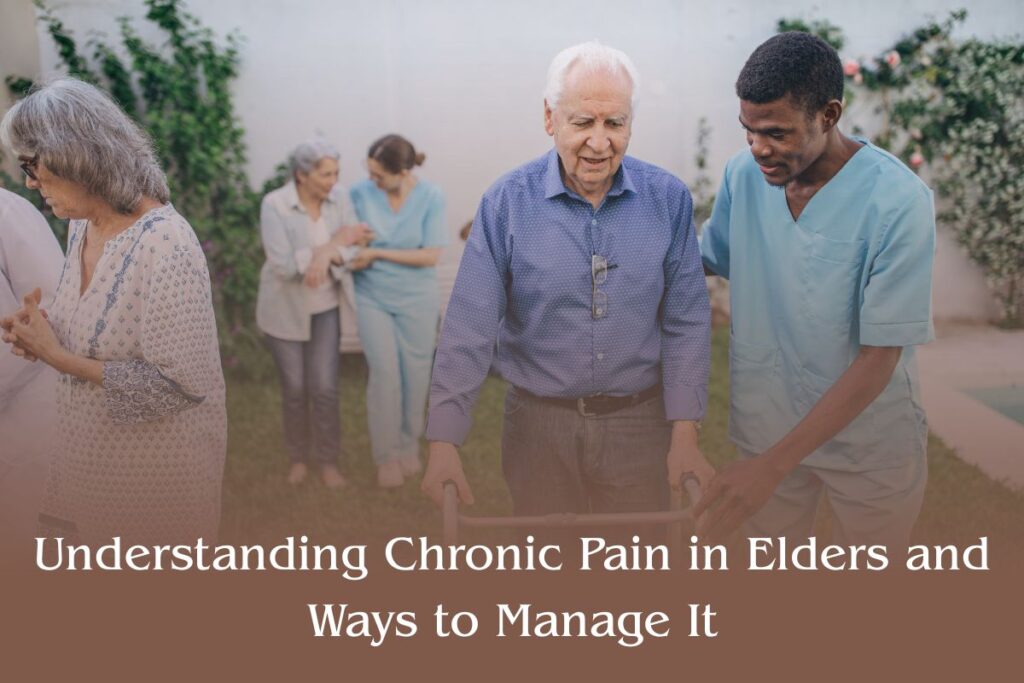
Assistive devices such as walkers or ergonomic tools can make a significant difference.
5. Heat and Cold Therapy
Applying heat may relax muscles and reduce stiffness, while cold packs can reduce inflammation.
6. Balanced Nutrition
A diet rich in anti inflammatory foods, calcium, and vitamin D supports bone and joint health.
Hydration is also essential for muscle function.
7. Gentle Exercise
Low impact activities such as walking, stretching, or chair based exercises improve circulation and reduce stiffness.
Consistency matters more than intensity.
8. Psychological Support
Counseling or support groups help seniors cope with emotional strain related to chronic pain. Relaxation techniques such as deep breathing or guided imagery may also provide relief.
The Role of Caregivers and Family
Caregivers play a critical role in pain management. Observing changes in behavior, appetite, or mood can help detect worsening symptoms.
Encouraging open communication ensures elders feel heard and supported.
Creating a comfortable living environment with proper seating, lighting, and mobility aids also reduces discomfort.
When to Seek Immediate Medical Attention
Seek urgent care if pain is sudden, severe, accompanied by swelling, fever, or significant mobility loss. Prompt treatment prevents complications.
Final Thoughts
Chronic pain in elders is common but manageable. With proper medical care, lifestyle adjustments, emotional support, and family involvement, seniors can maintain comfort and independence.
Pain should never be dismissed as a natural part of aging. Early intervention and compassionate care improve both physical health and overall wellbeing.

About the Author
Healing Hands
Healing Hands Old Age Care Medical Team consists of experienced caregivers, geriatric specialists, and healthcare professionals dedicated to senior well-being. With expertise in elderly care, dementia support, and assisted living, the team ensures every piece of content is medically reviewed, accurate, and aligned with real-world caregiving practices.