Mental wellness plays a vital role in healthy aging. As seniors grow older, staying mentally active becomes just as important as maintaining physical health. Creative hobbies offer a powerful way to stimulate the mind, reduce stress, and promote emotional balance. In elderly care settings, these activities also help seniors feel purposeful, connected, and engaged with their surroundings.
At Healing Hands, creative engagement is considered an essential part of holistic elderly care, supporting both cognitive health and emotional wellbeing.
Why Creative Hobbies Matter for Seniors
Creative hobbies activate multiple areas of the brain, encouraging memory recall, focus, and problem solving. They also provide emotional outlets that help seniors express feelings they may find difficult to verbalize.
For seniors in elderly memory care facilities, creative activities can slow cognitive decline, reduce anxiety, and bring moments of joy and calm. These hobbies offer structure, routine, and positive stimulation, all of which are critical for mental wellness.
How Creativity Supports Mental Wellness
Creative activities help seniors stay present and mindful. When engaged in art, music, or hands-on projects, stress levels decrease and mood improves. Creative hobbies also encourage a sense of achievement, which boosts confidence and self esteem.
In nursing homes with memory care, creative routines help reduce restlessness and emotional agitation, especially for seniors living with dementia or Alzheimer’s disease.
Creative Hobby Ideas That Promote Mental Wellness
-
Art and Craft Activities
Painting, drawing, coloring, and simple crafts allow seniors to express creativity without pressure. These activities enhance focus, hand eye coordination, and emotional expression.
Art based hobbies are especially beneficial in elderly memory care facilities, as they encourage self expression even when verbal communication becomes difficult.
-
Music and Singing
Music has a deep connection with memory and emotions. Singing, listening to familiar tunes, or participating in music sessions can trigger positive memories and emotional comfort.
Music based activities help reduce anxiety, improve mood, and encourage social interaction among seniors. They are particularly effective for individuals experiencing memory loss.
-
Gardening and Nature Based Activities
Gardening provides a calming connection to nature while offering light physical movement and mental relaxation. Activities like watering plants, arranging flowers, or tending to small garden spaces bring a sense of responsibility and accomplishment.
Nature based hobbies are widely used in elderly care environments to promote peace, patience, and emotional stability.
-
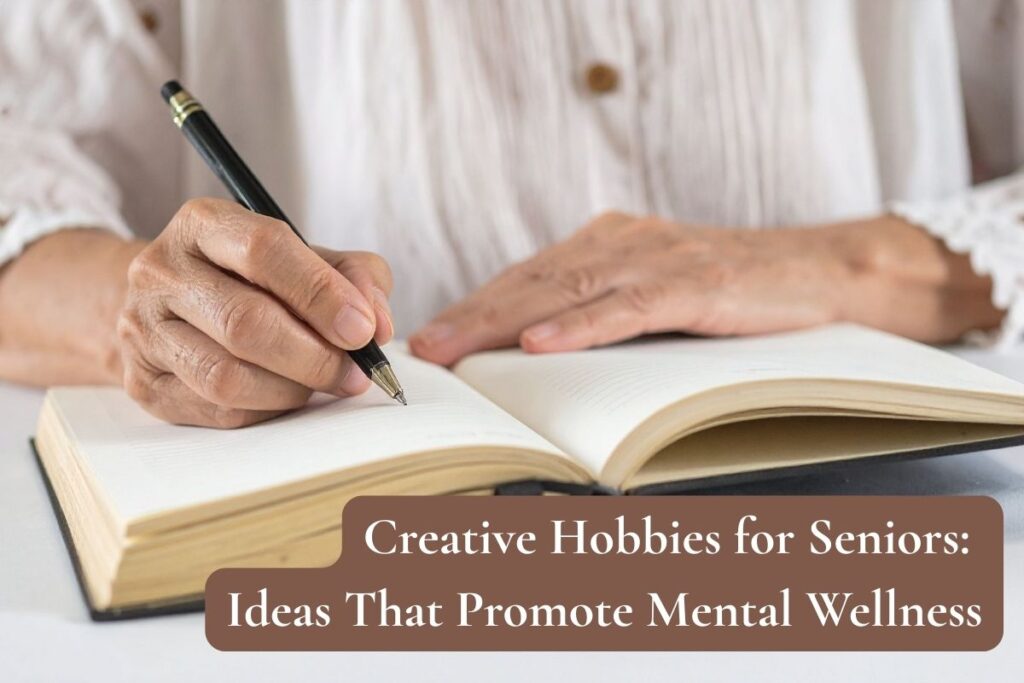
Storytelling and Writing
Encouraging seniors to share life stories, write short notes, or journal their thoughts supports memory recall and emotional processing. Storytelling strengthens identity and helps seniors feel valued and heard.
Group storytelling sessions also create meaningful social bonds and shared experiences within care homes.
-
Puzzles and Brain Games
Jigsaw puzzles, word games, and memory matching activities help maintain cognitive sharpness. These games improve attention span, problem solving skills, and mental agility.
When introduced at a comfortable pace, puzzles offer stimulation without causing frustration.
-
Group Creative Activities
Group activities such as group art sessions, music circles, or collaborative crafts help combat loneliness. Social creativity promotes connection, laughter, and shared purpose.
In elderly care facilities, group hobbies strengthen community bonds and enhance emotional wellbeing.
Role of Creative Hobbies in Memory Care
For seniors in memory care facilities, creativity becomes a therapeutic tool. Activities are adapted to suit cognitive abilities, ensuring seniors feel successful rather than overwhelmed.
Creative hobbies provide familiarity, routine, and emotional grounding. Even simple repetitive activities can create comfort and reduce confusion.
Healing Hands integrates creative engagement into daily routines, ensuring residents receive stimulation that supports both emotional and cognitive health.
How Families Benefit from Creative Engagement
Families often notice improvements in mood, communication, and overall happiness when their loved ones engage in creative activities. These hobbies provide positive talking points during visits and strengthen emotional connections.
Knowing that loved ones are mentally engaged offers families reassurance that their emotional wellbeing is being prioritized alongside physical care.
Creating a Balanced Routine Through Creativity
Creative hobbies are most effective when integrated into structured daily routines. Regular engagement creates predictability, which supports mental wellness and emotional stability.
At Healing Hands, creative activities are carefully balanced with rest, movement, and social interaction, creating a nurturing environment for seniors.
Final Thoughts
Creative hobbies play a powerful role in promoting mental wellness among seniors. They encourage expression, reduce stress, support cognitive health, and enhance quality of life.
Whether through art, music, gardening, or group activities, creative engagement helps seniors feel connected, purposeful, and emotionally supported. In professional elderly care settings like Healing Hands, creativity is not just an activity but a meaningful part of compassionate care that nurtures the mind and spirit every day.

About the Author
Healing Hands
Healing Hands Old Age Care Medical Team consists of experienced caregivers, geriatric specialists, and healthcare professionals dedicated to senior well-being. With expertise in elderly care, dementia support, and assisted living, the team ensures every piece of content is medically reviewed, accurate, and aligned with real-world caregiving practices.