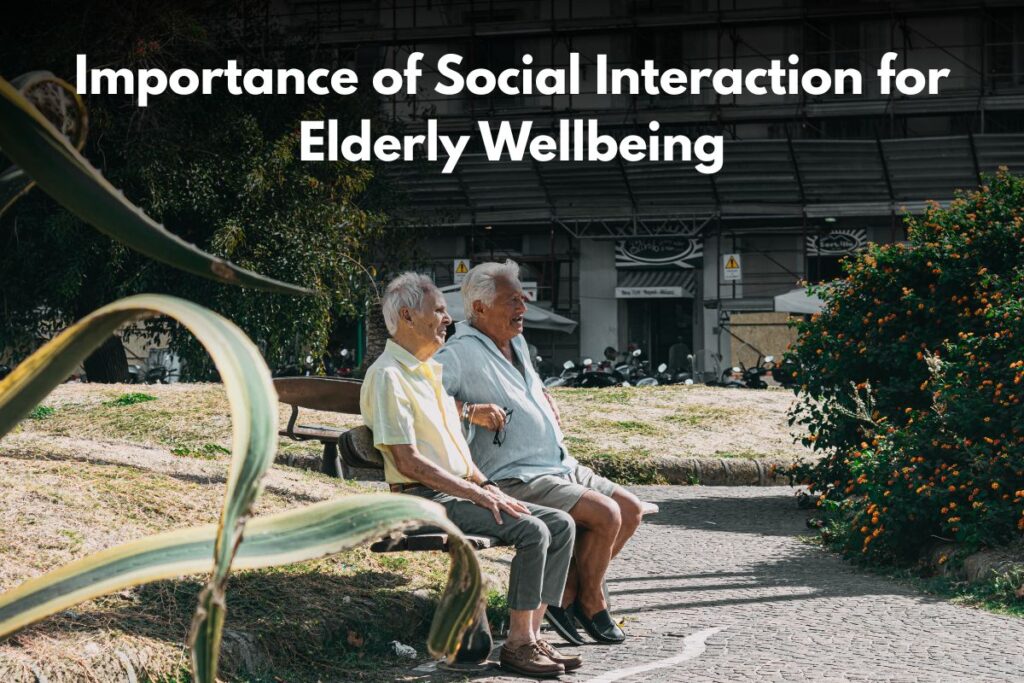
As individuals age, social circles often shrink due to retirement, relocation, health challenges, or the loss of loved ones. While physical health is frequently prioritized in elder care, social interaction plays an equally vital role in maintaining overall wellbeing.
Meaningful social connections improve emotional stability, cognitive function, and even physical health. For seniors, staying socially engaged is not just about companionship. It is essential for healthy aging.
Why Social Interaction Matters in Later Life
Humans are naturally social beings. Regular interaction stimulates the brain, lifts mood, and fosters a sense of belonging. For older adults, maintaining connections helps prevent loneliness and isolation.
Isolation is associated with increased risks of depression, cognitive decline, and chronic illness.
Mental Health Benefits
1. Reduced Risk of Depression
Regular conversations and shared activities provide emotional comfort. Feeling valued and heard significantly reduces feelings of sadness.
2. Lower Anxiety Levels
Social interaction offers reassurance and emotional support, reducing fears related to aging or health concerns.
3. Improved Self Esteem
Engaging with others helps seniors maintain a sense of identity and purpose.
Cognitive Benefits
Social engagement stimulates the brain through conversation, problem solving, and shared experiences.
Benefits include:
- Improved memory retention
- Better concentration
- Slower cognitive decline
- Reduced risk of dementia
Activities such as group discussions, games, storytelling, or learning new skills keep the brain active.
Physical Health Benefits
Socially active seniors often demonstrate:
- Lower blood pressure
- Reduced stress hormones
- Better immune function
- Increased motivation to stay physically active
Group walks or exercise classes combine physical and social benefits.
Emotional Security and Sense of Purpose
Maintaining friendships and family relationships fosters emotional stability. Seniors who participate in community activities often feel more purposeful and fulfilled.
Simple routines such as daily chats or weekly gatherings provide structure and anticipation.
Barriers to Social Interaction
Elders may face obstacles such as:
- Mobility limitations
- Hearing or vision difficulties
- Transportation challenges
- Loss of close friends
- Fear of being a burden
Recognizing these barriers helps families create solutions.
Practical Ways to Encourage Social Engagement
1. Community Programs
Senior centers or group activities provide structured interaction.
2. Family Involvement
Regular visits, calls, or video chats strengthen bonds.
3. Hobbies and Clubs
Gardening groups, reading circles, or craft sessions promote interaction.
4. Volunteering
Helping others enhances self worth and social connection.
5. Technology Use
Teaching elders to use smartphones or video platforms helps maintain contact.
The Role of Care Facilities
Well organized elder care environments prioritize social engagement through group activities, celebrations, and shared meals.
Structured programs create opportunities for connection and reduce isolation.
Final Thoughts
Social interaction is a powerful contributor to elderly wellbeing. It supports mental clarity, emotional balance, and physical health. Encouraging seniors to stay connected enriches their lives and promotes healthy aging.
Strong relationships create comfort, confidence, and purpose during later years. Social wellbeing is not optional in elder care. It is essential.

About the Author
Healing Hands
Healing Hands Old Age Care Medical Team consists of experienced caregivers, geriatric specialists, and healthcare professionals dedicated to senior well-being. With expertise in elderly care, dementia support, and assisted living, the team ensures every piece of content is medically reviewed, accurate, and aligned with real-world caregiving practices.