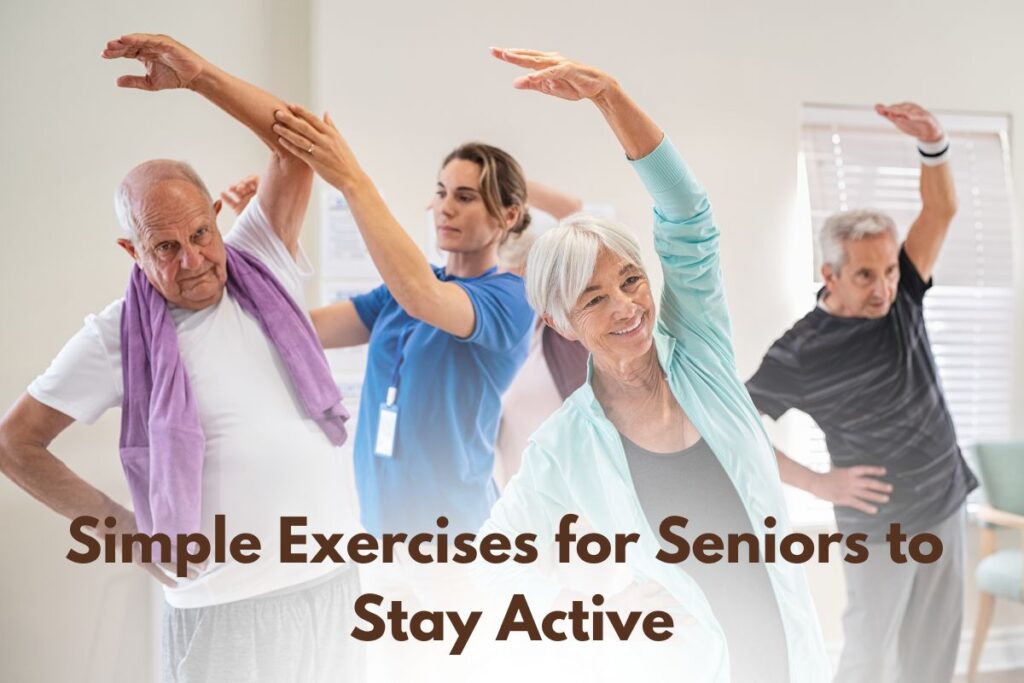
Staying physically active is essential at every stage of life, but it becomes even more important as we age. Regular movement helps seniors maintain strength, flexibility, balance, and independence. It also supports mental wellbeing, improves circulation, and reduces the risk of chronic health conditions.
Many older adults believe exercise requires intense workouts, but simple and gentle activities can be highly effective. The key is consistency, safety, and choosing exercises suited to individual abilities.
This guide highlights easy exercises seniors can incorporate into their daily routine to stay active and healthy.
Why Exercise Is Important for Seniors
Regular physical activity offers multiple benefits for older adults:
- Improves mobility and flexibility
- Strengthens muscles and joints
- Enhances balance and reduces fall risk
- Supports heart health and circulation
- Boosts mood and mental wellbeing
- Helps manage conditions like diabetes and arthritis
Staying active also promotes independence, allowing seniors to perform daily tasks with greater ease.
Safety Tips Before Starting Exercise
Before beginning any exercise routine, it is important to keep safety in mind.
- Consult a healthcare professional if there are existing health conditions
- Start slowly and increase activity gradually
- Wear comfortable clothing and supportive footwear
- Stay hydrated
- Avoid overexertion
- Stop immediately if there is pain, dizziness, or discomfort
Exercising in a safe environment reduces the risk of injury.
Simple Exercises for Seniors
These exercises are low impact, easy to perform, and suitable for most seniors.
1. Walking
Walking is one of the simplest and most effective forms of exercise.
Benefits:
- Improves cardiovascular health
- Enhances stamina
- Supports joint movement
How to do it:
- Start with short walks around the home or garden
- Gradually increase duration to 20–30 minutes
- Maintain a steady pace
Walking can be done alone or with companions for added motivation.
2. Chair Exercises
Chair based exercises are ideal for seniors with limited mobility or balance concerns.
Examples:
- Seated leg lifts
- Arm raises
- Shoulder rolls
Benefits:
- Improves circulation
- Strengthens muscles
- Reduces stiffness
These exercises can be performed safely while sitting.
3. Stretching
Stretching helps maintain flexibility and prevents stiffness.
Simple stretches include:
- Neck rotations
- Arm stretches
- Leg stretches
Benefits:
- Improves range of motion
- Reduces muscle tension
- Enhances posture
Stretching should be done gently without forcing the body.
4. Balance Exercises
Balance exercises are important for preventing falls.
Examples:
- Standing on one foot (with support)
- Heel to toe walking
- Side leg raises
Benefits:
- Improves stability
- Strengthens core muscles
- Reduces fall risk
Using a chair or wall for support ensures safety.
5. Light Strength Training
Strength training helps maintain muscle mass and bone health.
Simple methods:
- Using light weights or resistance bands
- Lifting small household items
- Repeated sit to stand movements
Benefits:
- Builds muscle strength
- Supports joint stability
- Improves daily functioning
Start with light resistance and increase gradually.
6. Breathing and Relaxation Exercises
Breathing exercises support both physical and mental health.
How to do it:
- Sit comfortably
- Inhale slowly through the nose
- Exhale gently through the mouth
Benefits:
- Reduces stress
- Improves lung function
- Promotes relaxation
These exercises are especially helpful for seniors with anxiety or respiratory concerns.
7. Gentle Yoga or Stretch Routines
Simple yoga movements can improve flexibility and balance.
Benefits:
- Enhances body awareness
- Reduces stiffness
- Improves mental calmness
Yoga should be practiced under guidance or with modified poses.
Creating a Daily Exercise Routine
Consistency matters more than intensity when it comes to staying active in later years.
A simple daily routine can begin with gentle stretching in the morning to loosen the muscles and improve flexibility. This can be followed by a short walk during the day to support circulation and overall stamina.
Adding light strength exercises or chair based movements helps maintain muscle health and mobility. Ending the day with relaxation or breathing exercises can promote calmness and better sleep. Even dedicating just 20 to 30 minutes each day to such activities can make a meaningful difference in overall health and wellbeing.
Overcoming Common Barriers
Many seniors face challenges when trying to stay active.
Lack of Motivation
Exercising with a friend or caregiver can increase consistency.
Fear of Injury
Starting with gentle exercises and proper guidance builds confidence.
Health Limitations
Exercises can be modified based on individual ability.
Limited Mobility
Chair exercises provide safe alternatives.
Role of Caregivers in Encouraging Activity
Caregivers play a crucial role in encouraging seniors to stay active and maintain a healthy routine. Their support goes beyond simple supervision, as they help build confidence and motivation in older adults. By encouraging regular exercise and assisting with safe movement, caregivers ensure that physical activity is both effective and risk free.
They can also create structured daily routines that make it easier for seniors to stay consistent. Monitoring for signs of discomfort or fatigue is equally important, as it helps prevent injuries and ensures exercises are suitable for the individual’s condition. When caregivers actively participate in activities alongside seniors, it adds a sense of companionship and motivation.
A supportive and encouraging environment ultimately helps seniors stay consistent, confident, and engaged in their daily physical activities.
Long Term Benefits of Staying Active
Regular physical activity helps seniors maintain independence and improves overall quality of life.
Long term benefits include:
- Reduced risk of falls
- Better joint health
- Improved mental clarity
- Increased energy levels
- Enhanced emotional wellbeing
Active seniors are more likely to enjoy a healthier and more fulfilling lifestyle.
Final Thoughts
Exercise does not have to be complicated or strenuous to be effective. Simple, consistent movements can greatly improve strength, balance, and overall health in seniors.
With the right approach, guidance, and support, older adults can stay active, maintain independence, and enjoy a better quality of life.
Encouraging safe and regular exercise is one of the most valuable ways to support healthy aging.

About the Author
Healing Hands
Healing Hands Old Age Care Medical Team consists of experienced caregivers, geriatric specialists, and healthcare professionals dedicated to senior well-being. With expertise in elderly care, dementia support, and assisted living, the team ensures every piece of content is medically reviewed, accurate, and aligned with real-world caregiving practices.