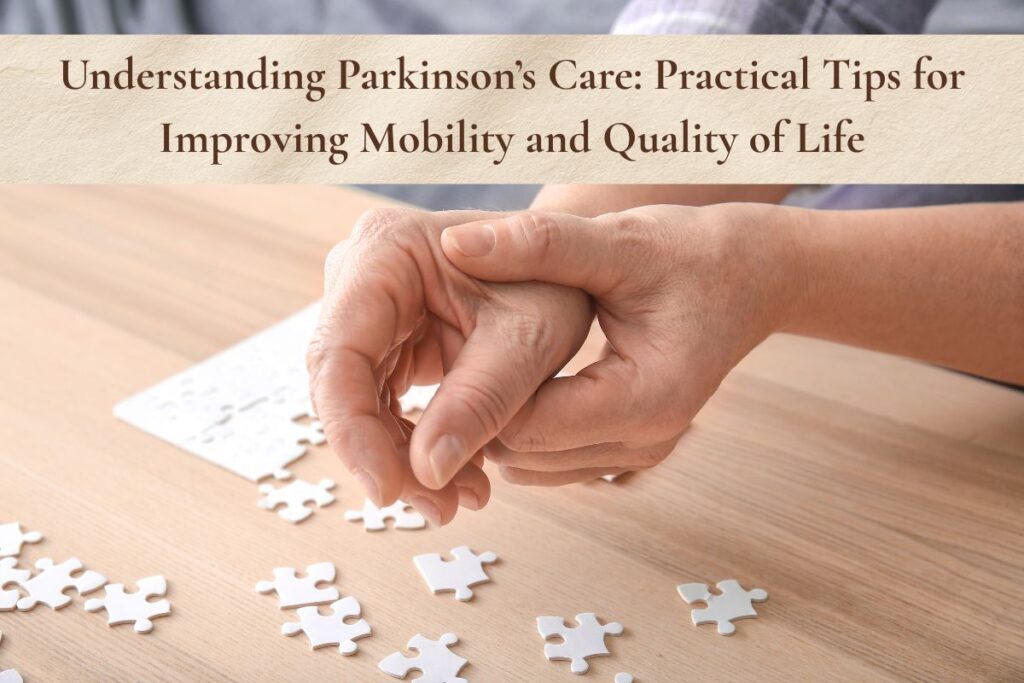
Parkinson’s disease is a progressive neurological condition that affects movement, balance, and coordination. As symptoms advance, daily activities that once felt effortless can become challenging. For families, understanding how proper care can improve mobility and quality of life is essential when choosing the right elderly care solution.
At Healing Hands, Parkinson’s care focuses on dignity, safety, and independence while ensuring physical and emotional wellbeing through structured routines and personalized support.
Understanding Parkinson’s Disease and Its Impact
Parkinson’s disease primarily affects the nervous system, leading to symptoms such as tremors, muscle stiffness, slowed movement, and postural instability. Over time, individuals may also experience speech difficulties, sleep disturbances, and cognitive changes.
These challenges often require specialized support beyond general elderly care. This is where professional memory care facilities and nursing homes with memory care play a vital role in maintaining comfort and functionality.
Why Specialized Parkinson’s Care Matters
General elderly care may not always address the unique mobility and neurological needs of Parkinson’s patients. Specialized elderly memory care facilities provide trained caregivers, therapeutic routines, and adaptive environments designed to reduce fall risks and improve movement confidence.
Healing Hands offers Parkinson’s disease care that integrates medical oversight, mobility support, and emotional reassurance to help residents live more comfortably and safely.
Practical Tips for Improving Mobility in Parkinson’s Care
1. Structured Daily Movement
Regular, guided movement helps reduce stiffness and maintain muscle strength. Gentle exercises such as stretching, assisted walking, and balance activities are incorporated into daily routines at professional memory care facilities.
These activities improve flexibility, posture, and circulation while reducing the fear of movement that often develops due to fall concerns.
2. Safe and Supportive Living Spaces
A well designed environment plays a crucial role in mobility. Nursing homes with memory care ensure clutter free pathways, handrails, non slip flooring, and proper lighting to minimize risks.
At Healing Hands, spaces are thoughtfully arranged to allow residents to move with confidence while maintaining independence wherever possible.
3. Consistent Routines for Better Movement
Predictable routines help Parkinson’s patients feel more in control of their movements. Scheduled meal times, exercise sessions, and rest periods reduce stress and allow the body to respond more smoothly to physical tasks.
Consistency also supports cognitive stability, which is particularly important in elderly memory care facilities.
4. Assisted Mobility and Adaptive Aids
Walking aids, supportive footwear, and caregiver assisted movement help residents remain active without strain. Care teams in professional elderly care settings are trained to assist without limiting independence.
The goal is to encourage safe movement rather than complete reliance on support.
Enhancing Quality of Life Beyond Mobility
Emotional and Mental Wellbeing
Parkinson’s disease can lead to frustration, anxiety, and feelings of isolation. Compassionate care, meaningful interaction, and emotional reassurance are essential components of quality Parkinson’s care.
Healing Hands emphasizes companionship and respectful communication, ensuring residents feel heard, valued, and supported.
Social Engagement
Social interaction slows emotional decline and enhances mental wellbeing. Group activities, music sessions, and shared meals encourage connection and reduce loneliness.
Many memory care facilities integrate social engagement into daily care to help residents maintain a sense of belonging.
Nutrition and Energy Support
Balanced nutrition supports muscle strength, energy levels, and overall health. Proper meal planning also helps manage medication schedules, which is critical for Parkinson’s patients.
Elderly care facilities like Healing Hands ensure meals are easy to eat, nutritious, and aligned with individual health needs.
Role of Memory Care in Parkinson’s Support
As Parkinson’s progresses, cognitive changes may occur, making memory care facilities an essential consideration. Elderly memory care facilities provide structured supervision, trained caregivers, and cognitive support tailored to changing needs.
Healing Hands combines Parkinson’s disease care with memory care expertise, offering a seamless transition if cognitive symptoms develop over time.
Family Involvement and Peace of Mind
Families often worry about safety, mobility decline, and emotional wellbeing. Choosing a trusted elderly care provider brings reassurance that loved ones are supported around the clock.
Regular updates, transparent communication, and compassionate caregiving allow families to stay connected while knowing their loved one is in capable hands.
Parkinson’s Disease Care at Healing Hands
Parkinson’s disease at Healing Hands is managed through a holistic approach that balances physical care, emotional support, and personalized routines. Our experienced caregivers understand the evolving nature of the condition and adapt care plans to match each resident’s abilities.
By combining mobility focused care, memory support, and a nurturing environment, Healing Hands ensures residents experience comfort, safety, and dignity every day.
Final Thoughts
Parkinson’s disease presents unique challenges, but with the right care, individuals can maintain mobility, independence, and a meaningful quality of life. Specialized memory care facilities and nursing homes with memory care offer the structure and expertise needed to support both physical and emotional wellbeing.
Healing Hands remains committed to providing compassionate, professional Parkinson’s care that helps residents move with confidence and live with purpose.

About the Author
Healing Hands
Healing Hands Old Age Care Medical Team consists of experienced caregivers, geriatric specialists, and healthcare professionals dedicated to senior well-being. With expertise in elderly care, dementia support, and assisted living, the team ensures every piece of content is medically reviewed, accurate, and aligned with real-world caregiving practices.