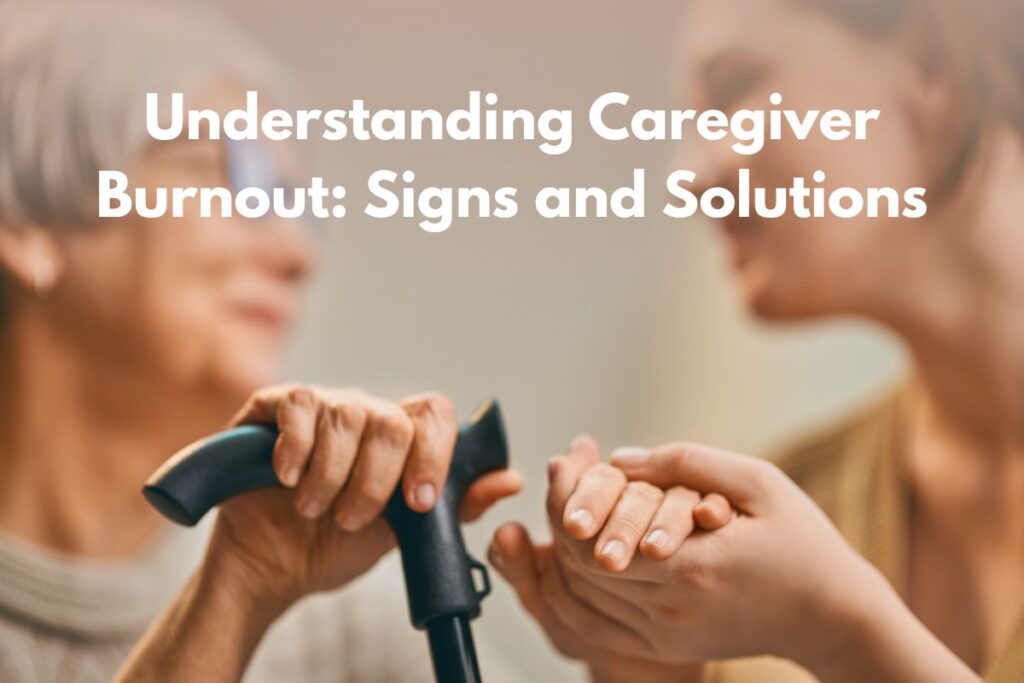
Caring for an elderly loved one is an act of compassion, responsibility, and dedication. However, the physical, emotional, and mental demands of caregiving can become overwhelming over time. When caregivers continuously prioritize others’ needs while neglecting their own, it can lead to a condition known as caregiver burnout.
Caregiver burnout is a state of emotional, physical, and mental exhaustion caused by prolonged caregiving stress. Recognizing its signs early and taking steps to manage it is essential not only for the caregiver’s wellbeing but also for the quality of care provided to seniors.
What Is Caregiver Burnout?
Caregiver burnout occurs when the stress of caregiving becomes too intense or prolonged without adequate support or rest. It often develops gradually, making it difficult for caregivers to realize how overwhelmed they have become.
Caregivers may feel constantly tired, emotionally drained, and unable to cope with daily responsibilities. Over time, this exhaustion can affect their health, relationships, and ability to provide effective care.
Common Causes of Caregiver Burnout
Several factors contribute to caregiver burnout, especially when caregiving responsibilities increase without proper support.
One major cause is the constant physical demand of assisting with daily activities such as mobility, hygiene, and medical care. These tasks can become physically exhausting, especially over long periods.
Emotional stress also plays a significant role. Watching a loved one experience health decline, memory loss, or reduced independence can be deeply distressing.
Another contributing factor is lack of personal time. Many caregivers struggle to balance work, family, and caregiving duties, leaving little time for rest or self care.
Financial pressure may also arise due to medical expenses or reduced work hours, adding to the overall stress.
Signs of Caregiver Burnout
Recognizing the early signs of burnout is crucial for preventing serious health consequences.
Physical Signs
Caregivers may experience constant fatigue, headaches, body aches, or changes in sleep patterns. Frequent illness due to a weakened immune system is also common.
Emotional Signs
Feelings of irritability, frustration, sadness, or hopelessness may develop. Caregivers may feel overwhelmed or emotionally detached from their responsibilities.
Behavioral Changes
Loss of interest in activities, withdrawal from social interactions, and reduced patience are common indicators. Some caregivers may neglect their own needs or develop unhealthy coping habits.
Mental Effects
Difficulty concentrating, forgetfulness, and constant worry can affect decision making and daily functioning.
Ignoring these signs can lead to serious physical and mental health issues.
How Caregiver Burnout Affects Care Quality
Burnout not only impacts the caregiver but also affects the quality of care provided to seniors. Exhausted caregivers may struggle with patience, attention, and responsiveness.
This can lead to increased frustration, reduced emotional connection, and potential safety risks for the elderly individual.
Maintaining caregiver wellbeing is essential for ensuring consistent and compassionate care.
Practical Solutions to Manage Caregiver Burnout
Managing caregiver burnout requires a proactive and balanced approach.
Acknowledge Your Limits
Recognizing that caregiving is demanding and that it is okay to feel overwhelmed is the first step. Accepting limitations helps reduce guilt and encourages seeking support.
Take Regular Breaks
Short breaks during the day or scheduled time off can help restore energy. Respite care services allow caregivers to take time for themselves while ensuring continued care for their loved ones.
Seek Professional Support
Professional elder care services can share caregiving responsibilities, reducing physical and emotional strain. Trained caregivers provide specialized support and allow families to focus on emotional connection.
Maintain Personal Health
Caregivers should prioritize their own health by maintaining proper sleep, nutrition, and regular physical activity. Even small self care routines can make a significant difference.
Stay Connected
Talking to friends, family members, or support groups can help caregivers express their feelings and reduce isolation. Emotional support is essential for long term resilience.
Create a Structured Routine
Organizing daily tasks helps reduce stress and improves efficiency. A clear routine provides stability for both the caregiver and the senior.
Role of Family and Support Systems
Caregiving should not be a one person responsibility. Family members can share tasks, provide emotional support, and ensure the caregiver gets adequate rest.
Open communication among family members helps distribute responsibilities and prevents burnout.
When to Seek Professional Help
Professional help should be considered if caregivers feel persistently exhausted, emotionally overwhelmed, or unable to manage responsibilities.
Signs such as severe stress, depression, or declining physical health should not be ignored. Early intervention can prevent long term health issues.
Benefits of Professional Elder Care Services
Elder care facilities and professional caregiving services provide structured support, medical supervision, and social engagement for seniors.
They also relieve families from constant caregiving pressure, allowing them to focus on maintaining meaningful relationships with their loved ones.
Final Thoughts
Caregiver burnout is a common but often overlooked challenge. While caring for others is important, caregivers must also take care of themselves. Recognizing the signs of burnout and taking timely action ensures both the caregiver and the senior receive the care and support they need.
A balanced approach that includes rest, support, and professional assistance can make caregiving more sustainable and fulfilling.